The Thinking Hand: The Profound Purpose of Handwork
In a world increasingly dominated by the "swipe" of a finger on a cold screen, the Waldorf classroom remains a place where the "click-clack" of wooden knitting needles is a familiar, rhythmic song.
To an outsider, seeing a room full of first graders—boys and girls alike—knitting colorful scarves might look like a quaint hobby. However, in Waldorf education, Handwork is a vital pedagogical tool. We believe that by engaging the hands in purposeful, complex tasks, we are quite literally "knitting" the brain together.
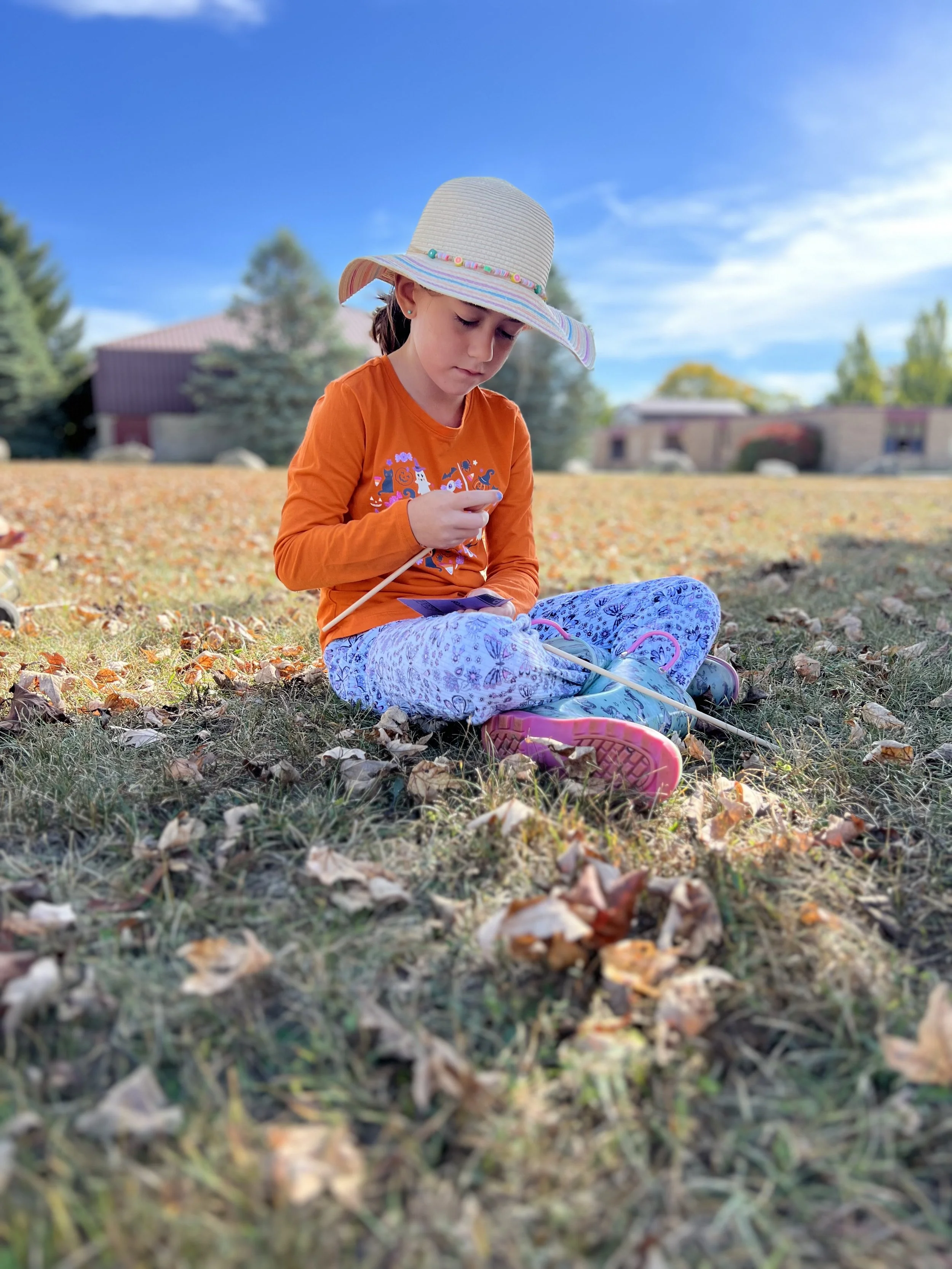
From Hands to Head: The Developmental Journey
In the early grades, children start with knitting. We begin with two needles and a single strand of wool, transforming it into a three-dimensional object. This process is a foundational step in a child's cognitive development:
Fine Motor Excellence: Knitting requires a high level of dexterity. The small, precise movements strengthen the muscles in the hands and fingers, which directly prepares the child for the physical act of writing.
Focus and Executive Function: To knit, a child must maintain a steady rhythm and keep track of every single stitch. If a stitch is dropped, it must be fixed. This builds incredible "stick-to-itiveness," patience, and the ability to focus on a task from beginning to end.
Mathematical Foundation: Knitting is math in motion. Children are counting, identifying patterns, and understanding the relationship between rows and columns. They are learning the concepts of "increasing" and "decreasing" long before they see those terms in a math book.
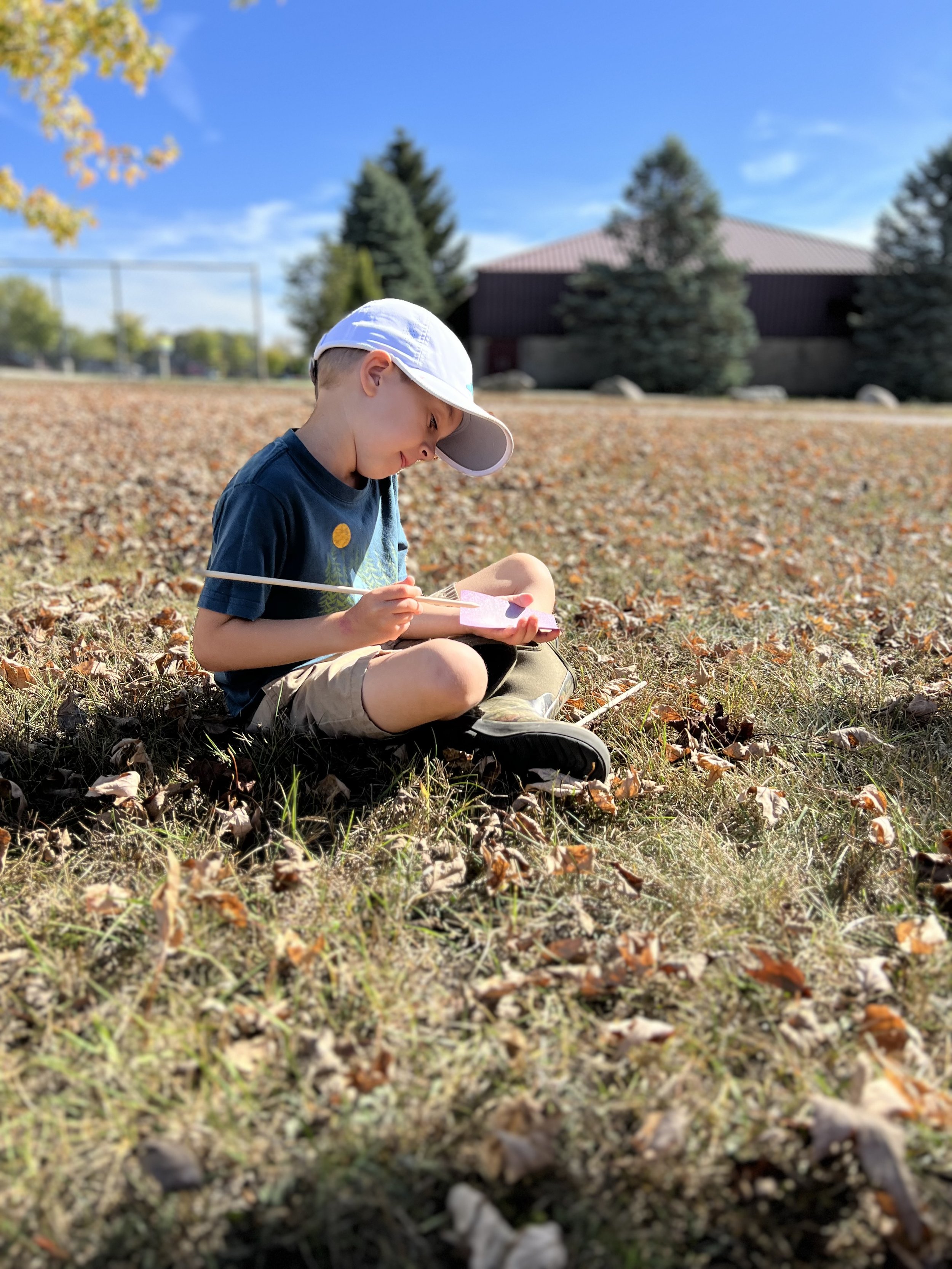
The Neuroscience of the Needle
Modern science is finally catching up to what Rudolf Steiner (the founder of Waldorf education) suggested over a century ago: the development of fine motor skills is inextricably linked to the development of higher cognitive functions.
Brain Plasticity: Research from the Mayo Clinic suggests that engaging in crafts like knitting can reduce the risk of cognitive impairment. For children, these repetitive, cross-lateral movements (using both hands together) stimulate the growth of the corpus callosum—the bridge between the left and right hemispheres of the brain.
Knitting as "Coding": You may have heard it said that knitting is the "original coding." The logic required to follow a knitting pattern is remarkably similar to the logic used in computer programming. Both involve algorithmic thinking: a series of "if-then" statements and loops. When a child knits, they are building the neural pathways for logic and sequencing that will later allow them to excel in computer science and advanced mathematics.
The "Flow" State: Neuroscience shows that the rhythmic, repetitive nature of knitting triggers the release of serotonin, the brain's natural feel-good chemical. This induces a "flow state" or a "meditative alert" state, which lowers cortisol (stress) and allows the brain to process information more effectively.
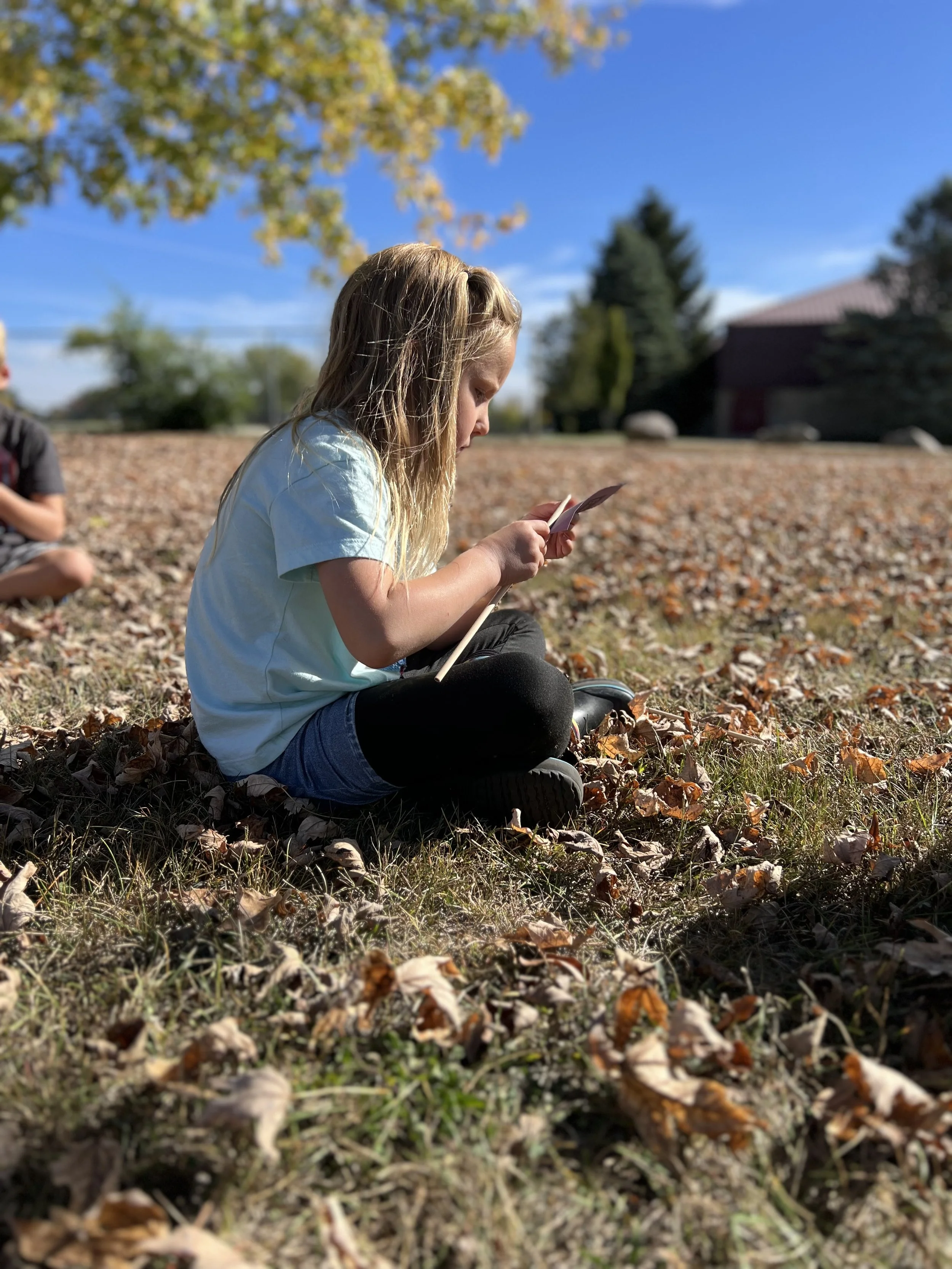
Purposeful Work vs. Busy Work
At Mighty Oaks School, we ensure that every handwork project has a purpose. We don't knit "swatches" to be thrown away; we knit recorders cases, flute bags, and dolls.
By creating something useful and beautiful from scratch, the child experiences a sense of agency and competency. They learn that they have the power to transform the world around them through their own will and effort. This builds an internal confidence that no "digital achievement" can match.
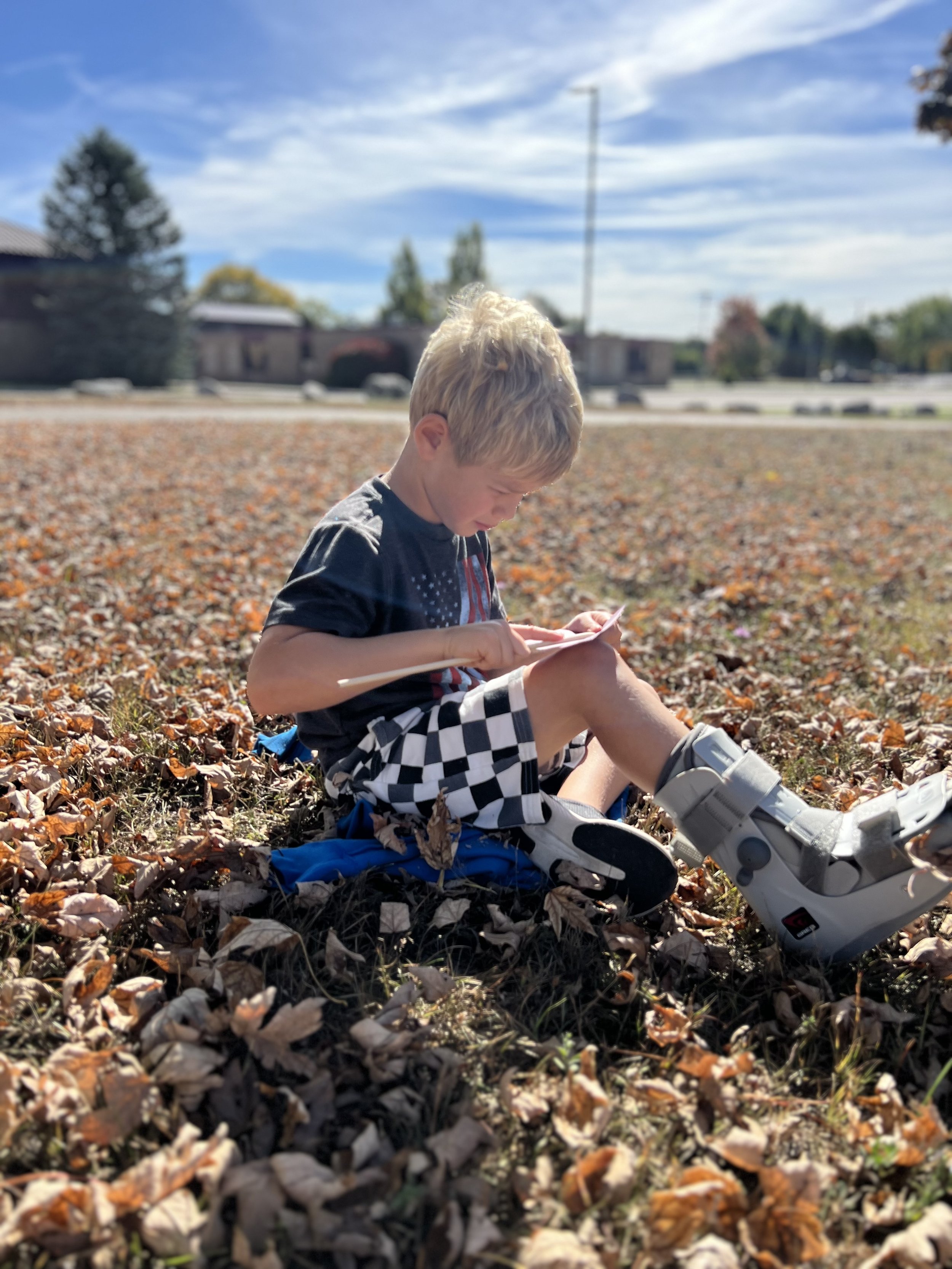
What the Research Says
The Link to Literacy: A study published in the journal Psychological Science found that manual dexterity in early childhood is a strong predictor of later reading and math scores. The brain pathways used to control the hands are adjacent to the pathways used for language and logic.
Cognitive Reserve: Research led by Dr. Yonas Geda highlights that activities involving manual complexity contribute to "cognitive reserve," making the brain more resilient and adaptable to complex learning tasks later in life.
The "Maker" Advantage: In a survey of Waldorf alumni, a disproportionately high number of graduates reported feeling confident in their ability to solve "real-world" problems—a trait they attributed to the hands-on, problem-solving nature of the Waldorf curriculum.
In the Waldorf Handwork room, we aren't just making scarves; we are building minds. We are ensuring that our children have "thinking hands" that are capable, creative, and ready to meet the challenges of the future with confidence.