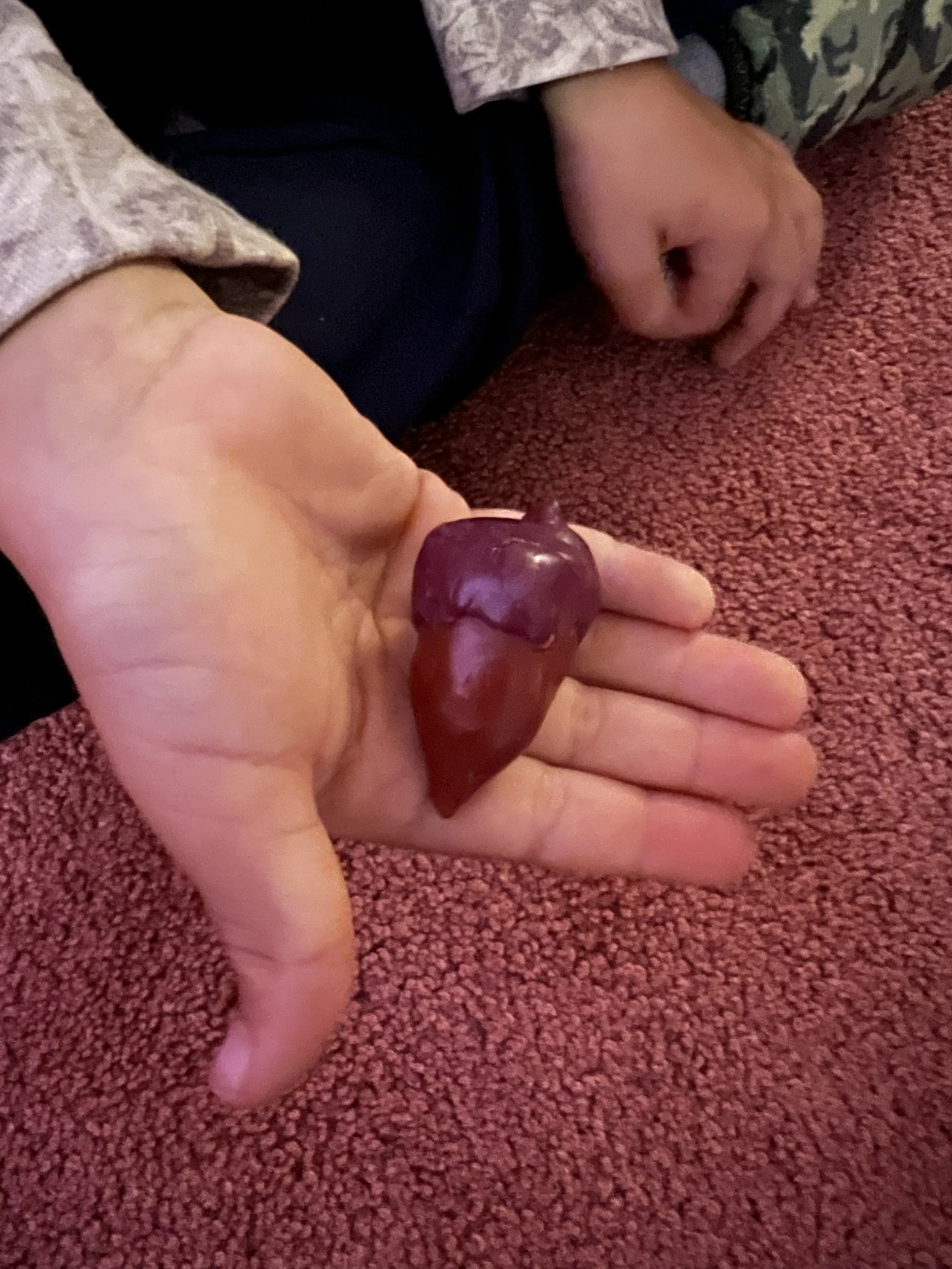
The Golden Gift: Why We Model with Beeswax in First Grade
If you were to step into our classroom on a gray Tuesday morning, you might find a circle of children sitting in expectant silence. Each child holds a small, rectangular slab of beeswax—hard, cold, and unyielding at first. But soon, the room fills with the sweet, honeyed scent of the hive, and something magical begins to happen.
In Waldorf education, beeswax modeling is a cherished staple of the First Grade experience. It is much more than a simple art project; it is a multi-sensory journey that engages the child’s warmth, will, and imagination.
A Warming Activity: From Cold to Pliable
Unlike modern modeling clays that stay soft through synthetic oils, natural beeswax requires warmth to become workable. This is a profound pedagogical in-breath.
The Physical Warmth: To shape the wax, the child must hold it warm in the palms of their hands, eventually kneading it with their hands and fingers. As the child warms the wax, the wax warms the child. This physical heat stimulates circulation in the small muscles of the hand.
The Internal Will: There is a deep satisfaction in seeing something hard become soft through one’s own effort. It teaches the child that they have the power to transform their environment through persistence and warmth of heart.
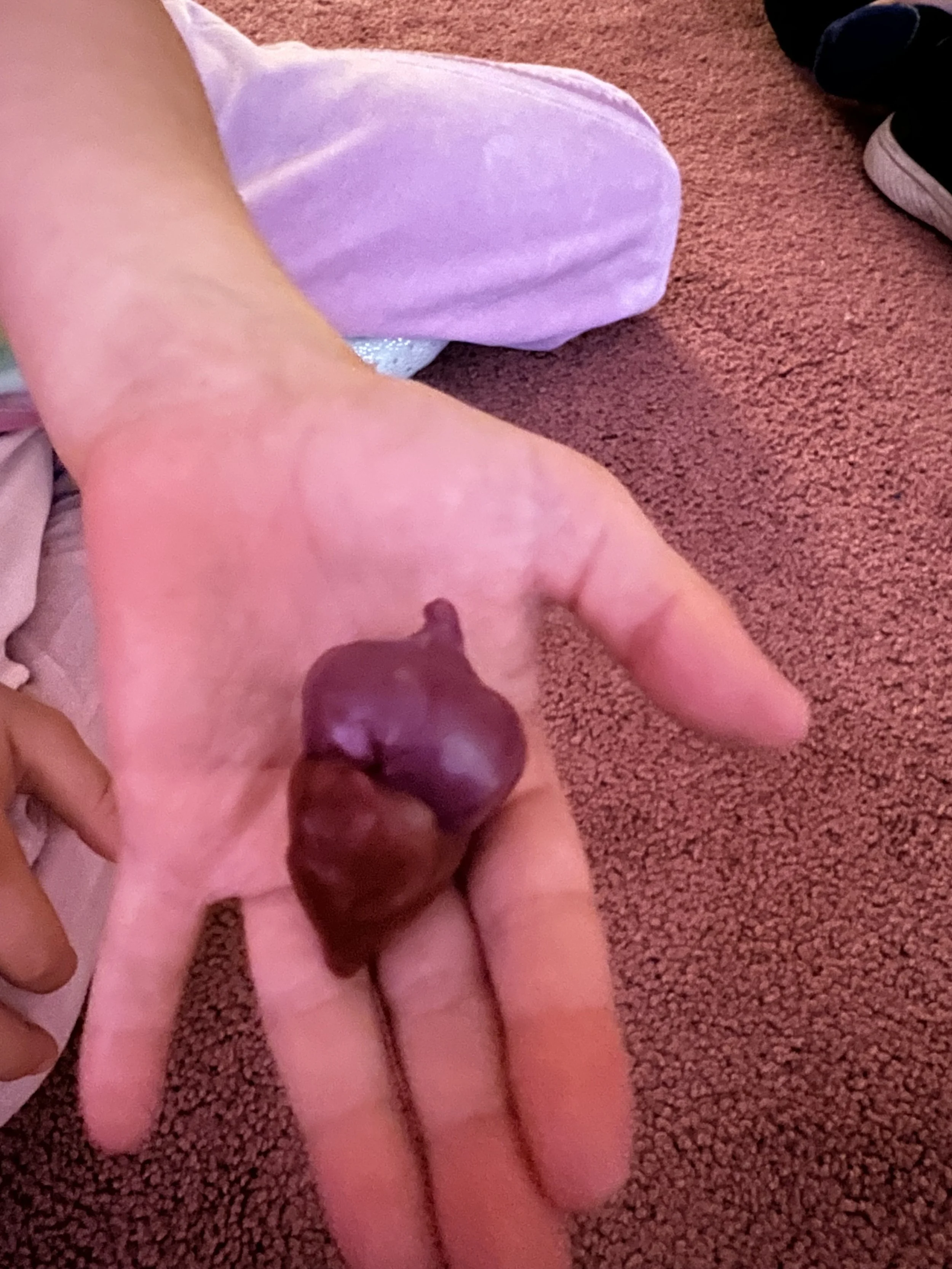
The Cozy Ritual: Setting the Mood
We don't simply hand out wax and tell the children to make something. We create a cozy space of focus. The lights are dimmed, perhaps a single candle is lit, and the teacher begins a story.
In Waldorf, we always move from the whole to the part. We don't sculpt by sticking separate pieces together (which creates weak points); we pull the form out of the whole piece of wax. This mimics the way nature grows—everything unfolding from a single seed.
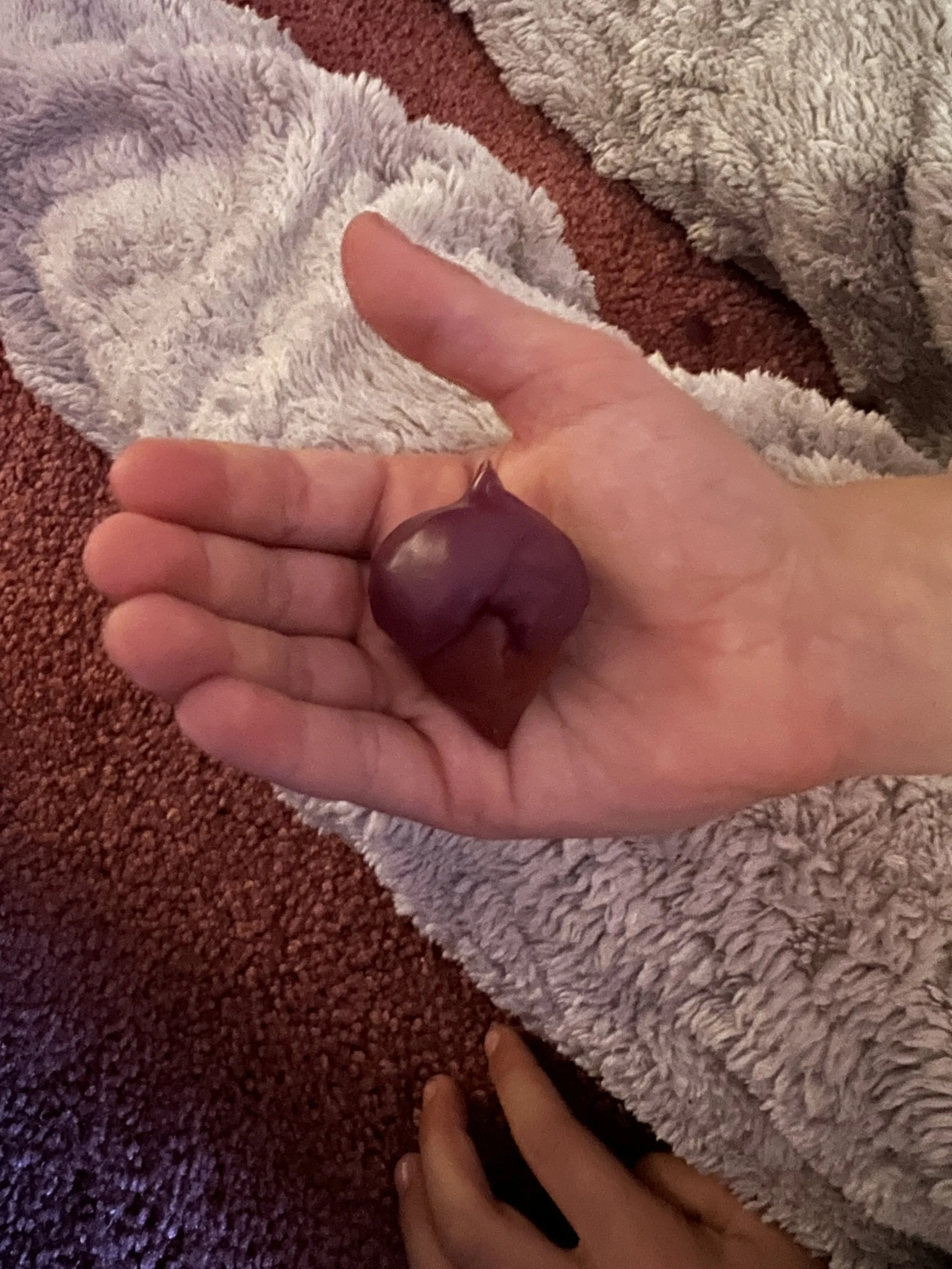
A Story to Guide the Hands: The Little Seed’s Journey
As the children begin to warm their wax, the teacher might tell a story like this:
"Once, deep within the dark, quiet earth, lived a tiny golden seed. It was tucked away in a cozy bed of soil, waiting for the first touch of the sun. The seed felt the warmth of the Great Sun King reaching down, down into the ground. (The children begin to knead their wax). As the seed grew warmer, it began to stretch. It wasn't hard anymore; it felt the life stirring inside. Slowly, it pushed out a tiny root to hold onto the earth, and then, with a brave heart, it reached up a green leaf to say hello to the sky..."
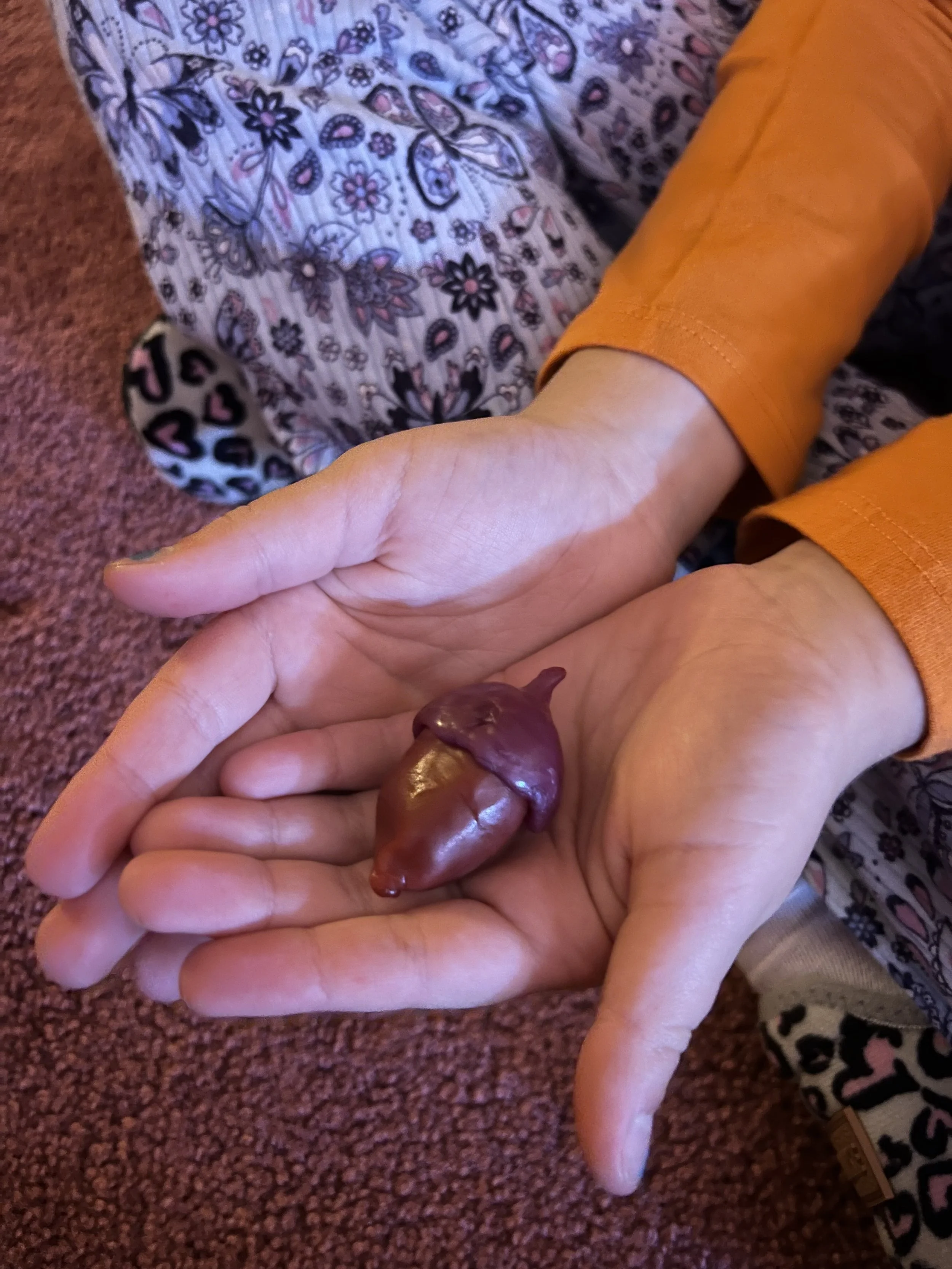
As the teacher tells the story, her own hands move with the wax. The children imitate the gestures. Their fingers become the roots and the leaves. By the end of the story, each child has birthed a unique form—not by following a blueprint, but by following a living image.
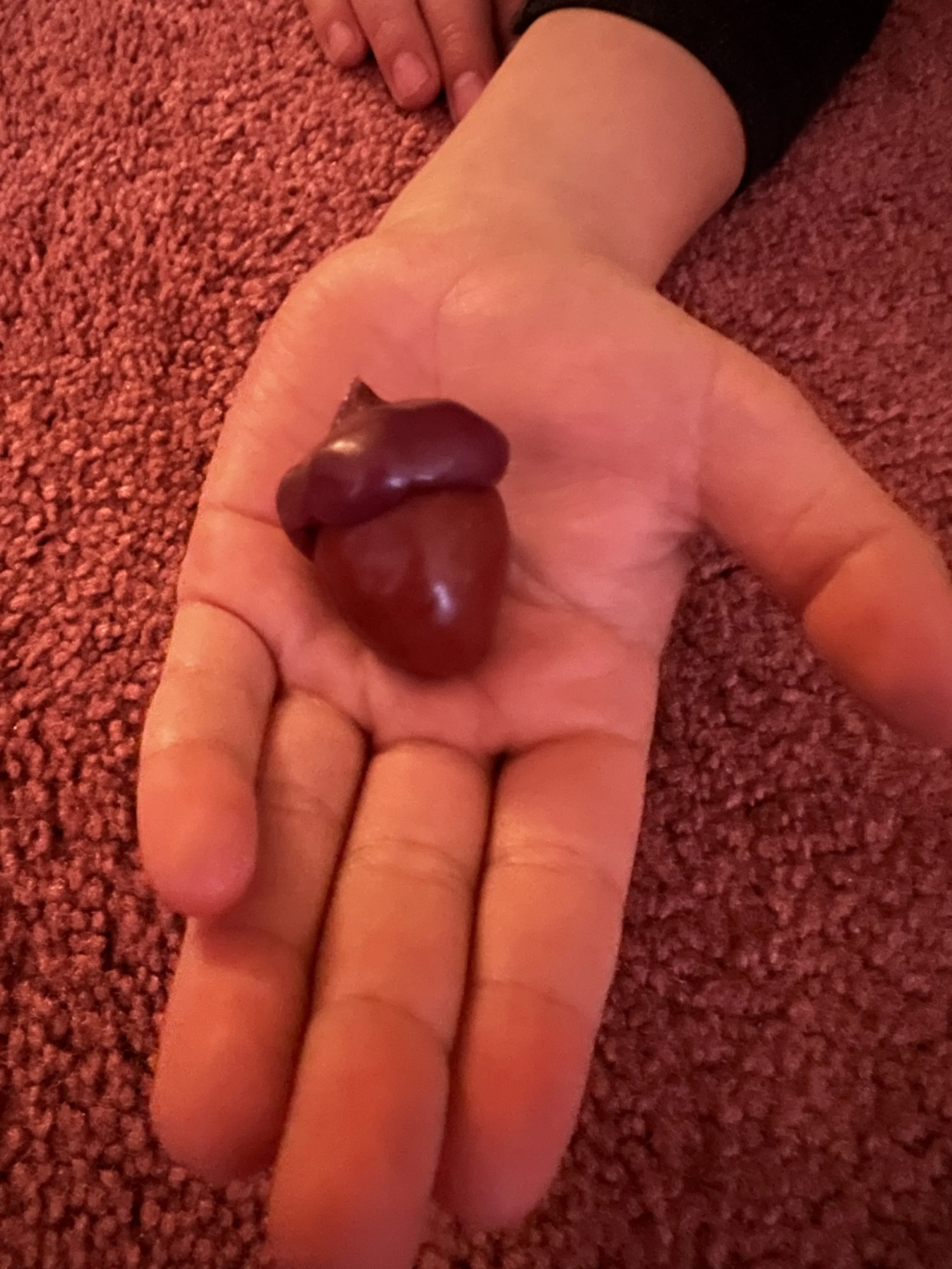
The Science Behind the Wax
The benefits of beeswax modeling are supported by our understanding of pediatric development:
Fine Motor Precision: Softening and shaping beeswax is a high-level workout for the hands. It develops the intrinsic muscles of the hand, which are vital for proper pencil grip and the endurance needed for the writing tasks that increase throughout First Grade.
Sensory Integration: The smell of the honey, the tactile transition from hard to soft, and the vibrant colors provide a rich sensory diet. Research shows that multi-sensory learning helps anchor memory and improves emotional regulation.
The Neurobiology of Calm: The repetitive kneading motion is deeply regulating for the nervous system. It triggers a "parasympathetic response," lowering the heart rate and allowing the child to enter a state of peaceful, productive focus.
The Spiritual Connection
Finally, we use beeswax because it is a gift from the Bee. In the Waldorf view, the bee is a creature of immense light and social harmony. By working with the wax, children connect to the industriousness of the hive and the sweetness of the natural world. They learn that the earth provides "gold" for us to use, provided we treat it with reverence and care.
When a child finishes their small figure—a bird, a gnome, or a star—they don't just see a toy. They see a piece of themselves that they have warmed into being.